
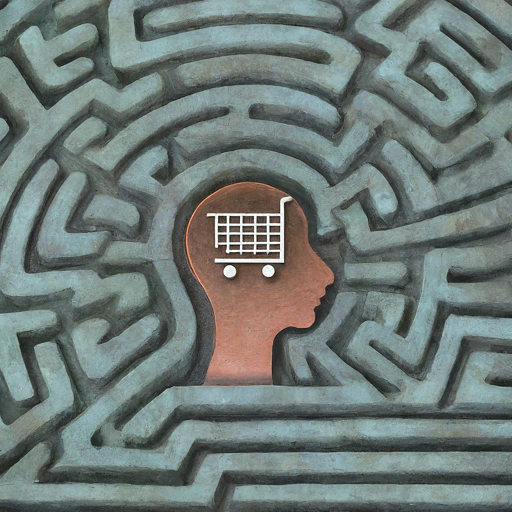
To create effective marketing campaigns, it’s not enough to just present products or services – you need to understand the psychology behind why people buy. Marketing psychology explores the principles and techniques used to influence consumer behavior, emotions, and ultimately, purchasing decisions.
Key Principles of Marketing Psychology
Reciprocity: People feel compelled to return favors. Offering a free sample, valuable content, or exclusive discount encourages them reciprocate with a purchase.
Social Proof: We look to others for guidance. Testimonials, reviews, and the number of followers significantly sway purchase decisions, building trust.
Scarcity and Urgency: Limited-time offers, or showing low stock availability, creates a sense of FOMO (fear of missing out), prompting faster actions.
Authority Bias: People trust experts. Positioning your brand as an authority through educational content, certifications, or endorsements establishes credibility.
Liking Principle: We’re more likely to buy from those we like. Brand personality, relatable stories, and customer service all contribute to likeability.
The Power of Colors: Colors evoke emotions. Red creates urgency, blue fosters trust, green feels natural and healthy – use them strategically in marketing materials.
Priming: Subtle cues can influence behavior. A background song, images of luxury, or strategic word choices can prime a customer towards specific actions.
Anchoring Effect: The first piece of information presented (an initial price) sets the reference point, influencing subsequent purchase decisions.
Applying Marketing Psychology in Practice
Freebies and Samples: Supermarkets know a taste test increases purchase likelihood (reciprocity).
Case Studies and Testimonials: Show success stories to demonstrate social proof and authority.
“Only 3 Left in Stock!” Scarcity triggers a sense of urgency, pushing buyers to act.
Influencer Marketing: Partnering with trusted figures leverages their authority and likeability to influence their followers.
Personalized Experiences: Address customers by name, recommend products based on their past purchases – personal touches make them feel special.
Visual Branding: Consistent color palettes, fonts, and imagery make your brand recognizable and memorable.
Ethical Considerations
It’s important to use marketing psychology responsibly:
- Transparency: Don’t deceive customers with manipulative tactics.
- Focus on Value: Offer genuinely useful products or services that solve problems.
- Build Long-term Relationships: Prioritize creating a loyal customer base over quick one-time sales.
Examples of Marketing Psychology in Action
- Apple: Clean design and aspirational messaging cultivates a premium feel, justifying higher prices.
- Charity Campaigns: Often use heart-wrenching imagery and stories to trigger empathy and drive donations.
- Subscription Boxes: Offer the initial box at a deep discount (anchoring), making subsequent renewals feel less expensive.
Conclusion
Marketing psychology provides a powerful lens for understanding the often subconscious factors driving consumer behavior. By leveraging these principles strategically and ethically, businesses can create more compelling campaigns, build trust, and achieve lasting marketing success.

Ayesh Jayawardana