
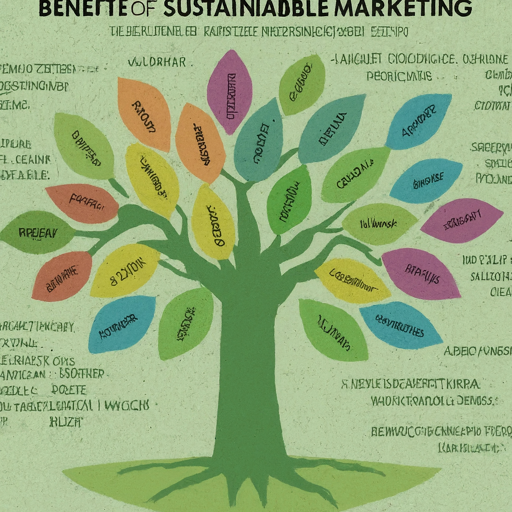
Consumers are becoming increasingly aware of their environmental impact, leading them to seek out brands that align with their values. Integrating sustainability into your marketing strategy is not only good for the planet, but it’s vital to building trust, attracting loyal customers, and boosting your brand’s reputation. Let’s delve into how to authentically communicate your commitment to sustainability and capture the attention of the eco-conscious consumer.
Why Sustainability Marketing Matters
- Consumer Demand: Increasing numbers want to support sustainable and ethical businesses.
- Competitive Edge: Differentiate yourself in a crowded market by highlighting your eco-initiatives.
- Brand Loyalty: Fosters a deeper connection with customers who share your values.
- Reduce Environmental Impact: Businesses have a responsibility to minimize their footprint.
- Attract Top Talent: Purpose-driven companies appeal to socially-conscious job seekers.
How to Authentically Showcase Your Sustainability Efforts
- Walk the Walk: Ensure sustainability is embedded within your core operations, not merely a marketing ploy.
- Transparency is Key: Be honest about your environmental impact, goals, and progress reports.
- Highlight Specific Actions: Focus on tangible achievements rather than vague claims.
- Data-Backed Storytelling: Use infographics, statistics, and case studies to illustrate your sustainability journey.
- Partner with Like-Minded Brands: Collaborate to amplify your impact and reach a wider audience.
- Empower Your Customers: Provide tips on how your products/services contribute to a sustainable lifestyle.
- Certifications Matter: Obtain relevant eco-certifications to build credibility (Fair Trade, B Corp, etc.).
Examples of Sustainability Marketing Done Right
- Patagonia: Known for their ‘Don’t Buy This Jacket’ campaign, highlighting product durability and lifelong repair services.
- Allbirds: Carbon footprint labeling on each shoe, demonstrating their sustainable practices.
- Lush Cosmetics: Naked packaging and commitment to ethical sourcing.
- IKEA: Initiatives for circular design, renewable materials, and customer take-back programs.
Tips for Effective Sustainability Marketing
- Avoid Greenwashing: Consumers are savvy; stay true to your sustainability commitments.
- Make it Relatable: Show how sustainability connects to everyday lives and personal benefits.
- Utilize Visual Storytelling: Use videos, photos, and infographics to demonstrate your commitment.
- Celebrate Wins: Share milestones, even minor ones, to demonstrate progress.
- Get Employees on Board: Engage employees as brand ambassadors for your sustainability message.
Potential Pitfalls to Avoid
- Overpromising & Underdelivering: Set realistic targets and communicate progress transparently.
- Performative Actions: Make meaningful changes within your organization, not just superficially.
- Inconsistent Messaging: Align your sustainability messaging across all marketing channels.
Conclusion
Sustainability is no longer a niche concern; it’s a core expectation for contemporary brands. By authentically integrating eco-consciousness into your operations and marketing, you’ll attract dedicated customers, improve brand perception, and create positive change. The key lies in transparent communication, continuous improvement, and making sustainability an integral part of your brand’s DNA.

Ayesh Jayawardana