A/B Testing for the US Market: Optimizing Conversion Rates
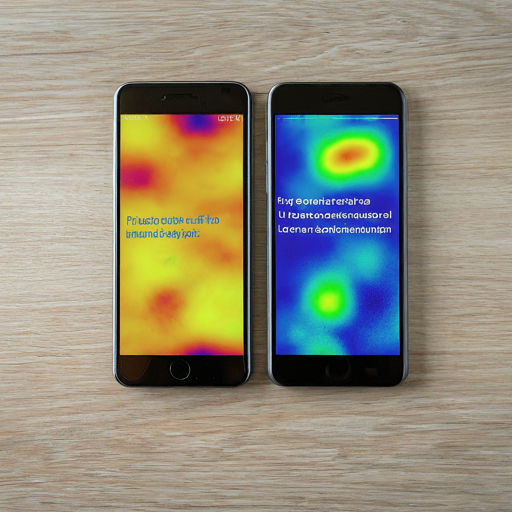
A/B testing is a data-driven superpower for US marketers. This testing allows you to compare different versions of a web page, email, or ad to definitively determine which variation drives more conversions. It takes the guesswork out of decision-making, ensuring each update has a positive impact on your bottom line.
Why A/B Test in the US Market?
- Competition Is Fierce: Standing out online from established players and upstarts alike becomes more difficult in the saturated US market. A/B testing helps you optimize every detail for engagement.
- Customer Expectations Are High: US consumers are savvy, impatient, and have high expectations for seamless experiences. Even small refinements can improve their journey and increase conversions.
- Regional Diversity Matters: From coastal cities to small towns, audiences vary widely. Testing offers data on what resonates with different subgroups within the US, so you can personalize accordingly.
What Exactly Can You A/B Test?
The possibilities are vast! Here’s where to start:
Websites & Landing Pages
- Headings: Does a benefit-focused headline beat a question-based one?
- Call-to-action buttons: Testing button color, wording, and placement.
- Visuals: Different hero images or product showcases can change the feel.
- Forms: How the number of fields affects completion rates.
Emails
- Subject lines: What gets more opens? Short & snappy or benefit-loaded?
- Personalization: Using their name vs. not, local references for regional campaigns.
- CTA placement: “Button early” vs. “after providing extra value”.
Ads
- Images: Testing visuals (lifestyle vs. product alone, bright vs. muted).
- Copy: Short vs. long descriptions, focus on benefit vs. feature.
- Audience Targeting: Hone in on location, demographics, and interests.
Best Practices for Effective A/B Testing
Clear Hypothesis: Start with a specific question you want to answer (“Will changing button color to red increase click-throughs?”).
Isolate the Variable: Only test ONE change at a time. Otherwise, you won’t know what actually caused the difference.
Sufficient Sample Size: Use online calculators to determine how much traffic is needed for accurate results, based on your current baseline conversion rate.
Statistical Significance: Aim for results of 95% confidence level or higher to trust the change was due to your variation. A/B tools often do this analysis for you.
Iterate and Learn: Even “failures” reveal valuable insights. Test, adjust, test again – it’s an ongoing optimization process!
A/B Testing Tools Make It Easy
- Google Optimize (Free Version): Excellent starting point, integrates with Google Analytics for seamless US target data.
- Popular Paid Options: Optimizely, VWO, Adobe Target offer more complex multivariate testing. Assess your needs to find the right fit.
- Email Focused: Many email marketing platforms (Mailchimp, etc.) have built-in A/B testing features.
SEO Tips: Get US Visitors to Your Tests
- Relevant Keywords: Integrate the right mix of “A/B testing tools US”, “email conversion optimization”, etc., based on your specific focus.
- Blog Content: Write educational posts for high-converting A/B related queries relevant to your industry. (e.g., “A/B testing e-commerce sites”)
- Share Results (Cautiously): Success stories on social media showcasing ROI are attractive – just avoid giving away all your competitive secret sauce!
Additional Considerations
- Mobile First: With high levels of smartphone use in the US, prioritize A/B testing mobile elements, especially if user experience is subpar.
- Don’t Over-Test: Analysis paralysis is real! Use testing as a decisive tool, but also balance it with intuition and industry trends.
- Ethical Concerns: Be transparent about data use with users. Major changes that require informed consent (e.g., UI redesigns) may not be suitable for direct A/B.
In Conclusion
A/B testing empowers US marketers to make informed, strategic decisions instead of relying on hunches. Embracing this data-backed approach ensures every change you make enhances user experience and, ultimately, your bottom line.