
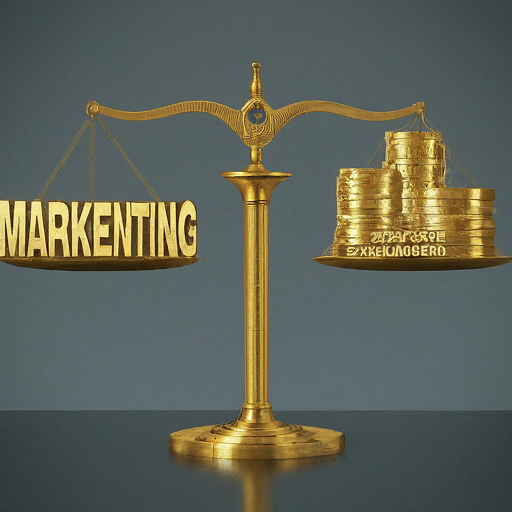
In a data-driven world, demonstrating the tangible value of your marketing efforts is crucial. Measuring marketing ROI (Return on Investment) allows you to justify your budget, make informed decisions, and maximize the impact of your campaigns. Let’s dive into how to track the right metrics and showcase the success of your marketing strategies.
Why Measuring Marketing ROI Matters
- Accountability: Demonstrate to stakeholders the impact of marketing spending.
- Strategic Decision-Making: Identify which channels and campaigns deliver the best results and optimize your allocation of resources.
- Continuous Improvement: Analyze data to pinpoint areas for improvement and boost overall marketing effectiveness.
- Budget Justification: Secure additional resources by proving the positive return on marketing investments.
Key Metrics for Tracking Marketing ROI
- Website Traffic: Track the number of visitors to your website over time, broken down by source (organic, paid, social, etc.).
- Lead Generation: Measure the number of leads captured from various marketing channels.
- Conversion Rate: What percentage of leads ultimately convert into paying customers?
- Customer Acquisition Cost (CAC): How much does it cost to acquire a new customer on average?
- Customer Lifetime Value (CLV): How much revenue a customer generates over their entire relationship with your business.
- Revenue Attribution: Identify specific marketing touchpoints that contribute to sales for a full view of the customer journey.
- Brand Awareness: Track metrics like social media reach, impressions, and share of voice for harder-to-quantify awareness.
Tools for Measuring Marketing ROI
- Google Analytics: A robust platform for website traffic analysis, goal tracking, and basic attribution.
- Marketing Automation Software: Many platforms (HubSpot, Pardot, etc.) offer advanced reporting and attribution models.
- CRM Software: Essential for tracking leads, sales data, and calculating your overall ROI.
- Social Media Analytics: Built-in tools on various platforms provide specific engagement and reach metrics.
How to Calculate Marketing ROI
The basic ROI formula is: (Profit from Investment – Cost of Investment / Cost of Investment) * 100
Example:
- Marketing campaign spent $5,000
- Generated $20,000 in sales
- Marketing ROI = (($20,000 – $5,000) / $5,000) * 100 = 300%
Challenges in Measuring Marketing ROI
- Long Sales Cycles: Especially in B2B, attributing specific marketing efforts to a closed deal months later can be complex.
- Offline Attribution: Measuring the impact of offline campaigns (events, print ads) on online conversions requires some extra effort.
- Brand Awareness ROI: The long-term impact of brand awareness is harder to quantify but remains essential.
Tips for Effective ROI Measurement
- Set Clear Goals: Define your success metrics (leads, sales, website traffic) before launching campaigns.
- Utilize UTM Parameters: Custom codes in URLs track specific sources of website traffic for better insights.
- Implement an Attribution Model: Choose a model (first touch, last touch, multi-touch) that suits your business.
- Don’t Neglect Soft Metrics: Consider qualitative feedback and customer sentiment alongside hard numbers.
Conclusion
Measuring marketing ROI is an ongoing process that empowers you to make data-backed decisions and optimize your strategies for maximum impact. By consistently tracking key metrics, leveraging the right tools, and understanding the complexities of attribution, you’ll be able to confidently demonstrate the value of your marketing efforts and secure the resources needed to drive your business forward.

Ayesh Jayawardana