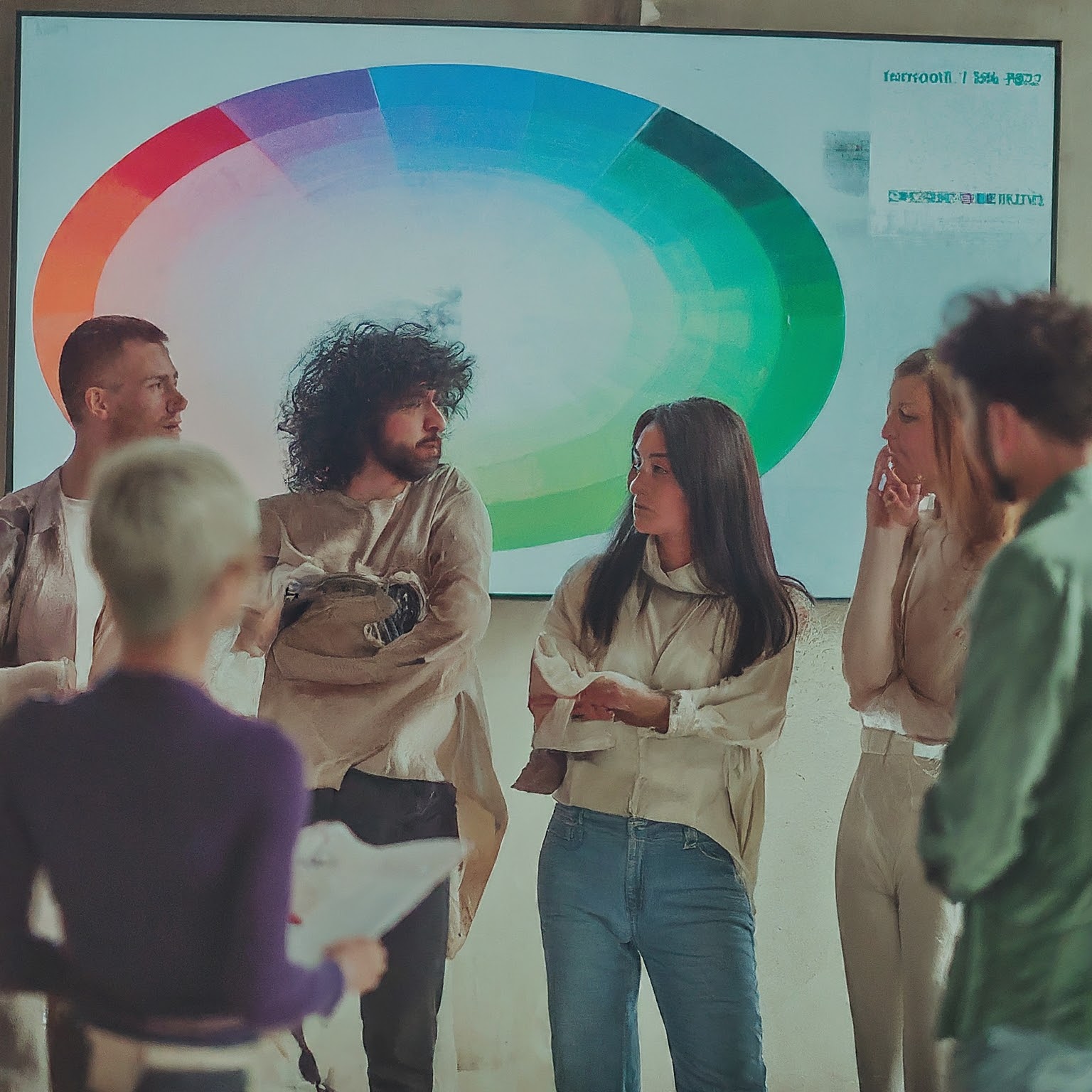
The Psychology of Color in Marketing: Decoding Color Choices for US Consumers
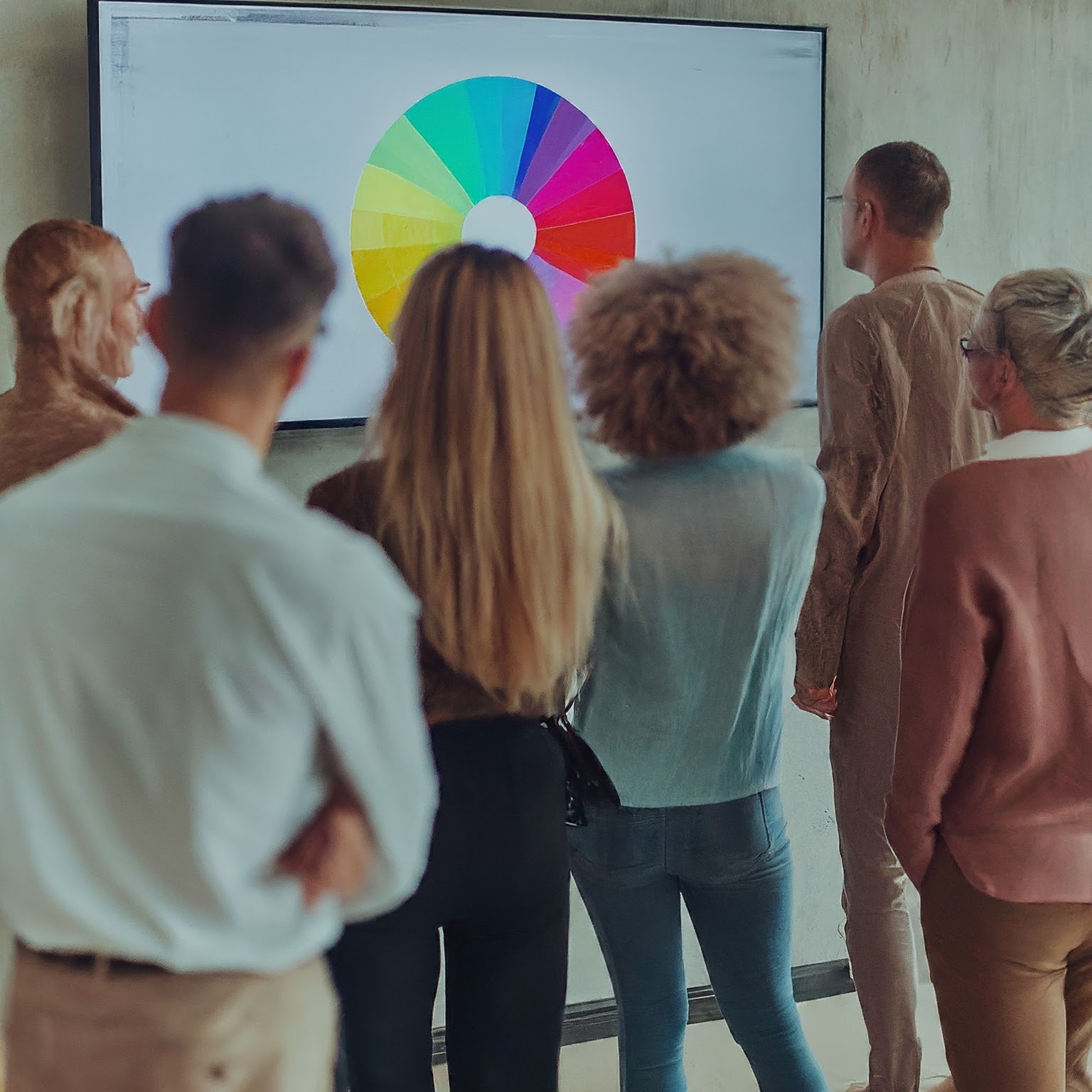
Color isn’t just decorative – it’s a powerful psychological tool for US marketers. Color influences shoppers’ moods, purchase decisions, and overall brand perception. Decoding how US consumers respond to different hues is essential for maximizing the impact of your visuals. This guide helps you leverage color strategically to build brand identity and connect with your target audience.
Color Psychology Primer
Color psychology studies the emotional and behavioral responses colors evoke. Note, some associations are learned through cultural factors and personal experiences. While we’ll touch on general principles, keep these aspects in mind when targeting the US market:
- Red: Evokes passion, excitement, urgency. (Fast food, sales, athletic brands)
- Blue: Trust, security, reliability. (Banks, tech companies, healthcare)
- Green: Growth, nature, harmony. (Sustainability, organic products, outdoor gear)
- Yellow: Cheerful, optimistic, stimulates appetite. (Restaurants, children’s brands)
- Orange: Friendly, playful, affordability. (Bargain retailers, some tech brands)
- Purple: Luxury, royalty, creativity. (Spas, cosmetics, sometimes spiritual brands)
- Black: High-end, powerful, sophisticated. (Fashion, luxury cars)
- White: Cleanliness, minimalism, neutrality. (Tech, healthcare, bridal)
US-Specific Factors
- Patriotism: Red, white, and blue color schemes can subtly play on a sense of national identity, popular for products touting “Made in the USA” status.
- Subcultural Meanings: Colors can signal belonging to groups (e.g., team colors for sports enthusiasts, pink for breast cancer support). Do your research!
- Seasonal Associations: Warm hues work well for fall campaigns, icy blues for winter. Spring tends towards pastels, summer brighter palettes.
Color Strategy in Action
Brand Alignment
- Identify your brand’s personality. Is it vibrant and outgoing, or serious and dependable? Choose colors that reinforce those traits.
- Consistency is key – establish a clear color palette and use it across your website, logo, visuals, and even storefront (if applicable).
Target Audience Appeal
- Age Group Matters: Kids gravitate towards bright primaries, older consumers often prefer softer palettes.
- Gender Stereotypes are Fading: Be careful with broad, outdated assumptions about “feminine” vs. “masculine” colors. However, some industries naturally skew (e.g., pastel in baby items).
Visual Emphasis
- Make CTAs Pop: Use a contrasting color for your call-to-action buttons (“Sign Up”, “Buy Now”) to draw the eye.
- Negative Space: Let white space around important elements make the colors stand out, reducing visual overwhelm.
Color & Conversion
- Red’s Power: It creates a sense of urgency, perfect for “Limited Time Offer” banners. But it can also cause tension if overused.
- Evoke Emotion: Don’t just sell a product, sell an experience. Colors help to shape that associated feeling (e.g. cozy café vibe with natural wood tones).
SEO Tips for US Audiences
- Image Tag Optimization: Describe colors specifically when naming image files for your blog (“red-sports-car.jpg” is better than “car.jpg”).
- Target Color Keywords: People in the US search for colors alongside products (“white summer dresses”, “yellow kitchen appliances”).
- Local Color Trends: Utilize geographic search tools to see if a certain hue is spiking in a region with your target demographic.
Beyond the Basics: Nuance Matters
- Shades and Hues: Dark blue conveys security, light blue calm. Experiment!
- Color Combos: Clashing colors can be jarring, but complementary pairings (analogous, triadic) are pleasing and balanced. Color theory resources help!
- Accessibility: Ensure high contrast for people with visual impairments – color isn’t the only design tool to communicate.
- Testing: Use A/B testing to see if a different color scheme yields more click-throughs or conversions.
In Conclusion
Color psychology is a fascinating and effective tool for US marketers. By understanding cultural expectations and the interplay of emotions with color, you can enhance your marketing visuals and leave a lasting impression on your target audience.